Company news
Telemedicine Medical Health Screening Kiosk: A New Paradigm for Community Health Services
Health kiosks, as an important carrier of community health services, are gradually becoming key nodes connecting primary healthcare with residents' health. Located on street corners in urban communities and in the lobbies of township health centers, health kiosks offer readily accessible health management services to community residents with their convenience and professionalism. The construction of health kiosks is not only a concrete practice of decentralizing medical resources but also an important measure to promote the shift from a "disease-centered" to a "health-centered" approach.
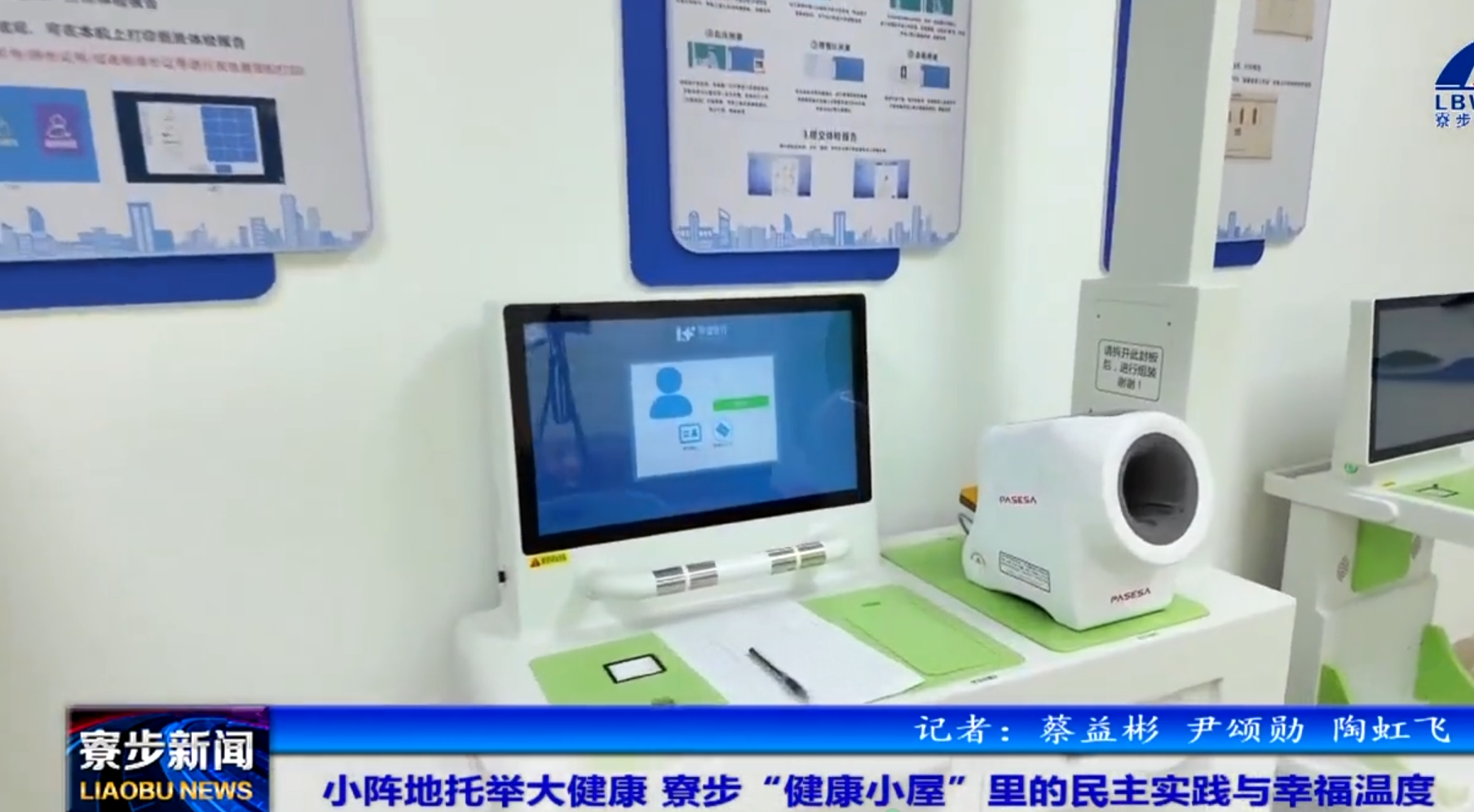
Upon entering a community health kiosk, the first thing that catches the eye is the core equipment—Telemedicine Medical Health Screening Kiosk. This integrated device acts like a "mini doctor," quickly completing the detection of basic vital signs such as height, weight, blood pressure, and blood sugar. Ms. Li, a community resident, comes to the health kiosk every week to monitor her blood pressure using the integrated health machine. "Before, I had to go to the hospital and queue to get my blood pressure checked. Now I can just go downstairs and get it checked, and the data can be directly uploaded to my phone—it's so convenient!" The widespread use of the Telemedicine Medical Health Screening Kiosk allows residents to complete basic health screenings right at their doorstep, effectively reducing the time cost of health management.
The functions of health kiosks extend far beyond basic testing. Equipped with advanced Telemedicine Medical Health Screening Kiosk, residents can undergo more in-depth examinations such as electrocardiograms, lung function tests, and bone density measurements. This data is transmitted in real-time to the regional health information platform via IoT technology, where it is professionally interpreted by a team of family doctors. When abnormal data is detected, health kiosks contact residents promptly to provide further diagnostic and treatment recommendations. This closed-loop service of "detection-analysis-intervention" truly makes health kiosks the "gatekeepers" of community health.
With the arrival of an aging society, health kiosks are playing an increasingly important role in chronic disease management. Patients with chronic diseases such as hypertension and diabetes need to regularly monitor various indicators, and health kiosks provide them with a stable monitoring location. Through the integrated health monitoring device, patients can regularly record their blood sugar, blood lipid, and other data, which doctors then use to adjust treatment plans. The regular operation of health kiosks shifts chronic disease management from passive treatment to proactive prevention, significantly improving the health literacy of community residents.
Professional guidance is indispensable in the operation of health stations. Each health station is equipped with trained medical staff or health managers who not only operate the integrated health machines but also provide residents with personalized health consultations. The health stations offer specialized health lectures tailored to residents of different ages and health conditions, covering topics such as balanced diet, scientific exercise, and mental health. This "equipment + service" model makes health stations an important platform for disseminating health knowledge.
Categories
Latest News
- Integrated Health Machine: Reshaping the Smart Service Ecosystem of TCM Wellness Centers
- Integrated Health Management Kiosk: The Core Engine for Pharmacy Transformation into Smart Health Services
- Blood Bank Self-Check-In Healthcare Medical Kiosks: Innovative Practices and Core Values of Basic Screening
- A New Line of Defense for Campus Health: The Value and Advantages of the Integrated Health Kiosk
- AI Evaluation Self Service Tele-Health & Tele-Medicine Health Kiosk: An Innovative Engine for Insurance Company Marketing and Member Services
Contact Us
Company: Shenzhen Huasheng Medical Technology Co., Ltd.Contact: Miss Wang
Tel: +86 159 8911 4474
WhatsApp 1: +86 177 2472 6642
WhatsApp 2: +86 198 6570 7933
Email: wincywang@hsyil.com
Address: Room 406, Danfeng Technology Building, Building 2, Chaguang Village Industrial Park, Shuguang Community, Xili Street, Nanshan District, Shenzhen
 Tel:
Tel: